
AskSia
Plus

TEST 1
You are required to answer ALL questions and show your working for each ...
Jul 31, 2024



Solution by Steps
step 1
Calculate the expected return for Kenangan Investment using the formula: E(R)=∑(Pi×Ri)
step 2
E(R)=(0.05×−10%)+(0.25×5%)+(0.40×20%)+(0.25×30%)+(0.05×40%)
step 3
E(R)=−0.5%+1.25%+8%+7.5%+2%
step 4
E(R)=18.25%
step 1
Calculate the expected return for Melur Investment using the formula: E(R)=∑(Pi×Ri)
step 2
E(R)=(0.05×0%)+(0.25×5%)+(0.40×16%)+(0.25×24%)+(0.05×32%)
step 3
E(R)=0%+1.25%+6.4%+6%+1.6%
step 4
E(R)=15.25%
step 1
Calculate the variance for Kenangan Investment using the formula: σ2=∑Pi(Ri−E(R))2
step 2
σ2=0.05(−10%−18.25%)2+0.25(5%−18.25%)2+0.40(20%−18.25%)2+0.25(30%−18.25%)2+0.05(40%−18.25%)2
step 3
σ2=0.05(28.25%)2+0.25(13.25%)2+0.40(1.75%)2+0.25(11.75%)2+0.05(21.75%)2
step 4
σ2=0.05(0.0798)+0.25(0.0176)+0.40(0.0003)+0.25(0.0138)+0.05(0.0473)
step 5
σ2=0.00399+0.0044+0.00012+0.00345+0.002365
step 6
σ2=0.014325
step 7
σ=0.014325≈11.97%
step 1
Calculate the variance for Melur Investment using the formula: σ2=∑Pi(Ri−E(R))2
step 2
σ2=0.05(0%−15.25%)2+0.25(5%−15.25%)2+0.40(16%−15.25%)2+0.25(24%−15.25%)2+0.05(32%−15.25%)2
step 3
σ2=0.05(15.25%)2+0.25(10.25%)2+0.40(0.75%)2+0.25(8.75%)2+0.05(16.75%)2
step 4
σ2=0.05(0.0233)+0.25(0.0105)+0.40(0.000056)+0.25(0.0077)+0.05(0.0281)
step 5
σ2=0.001165+0.002625+0.0000224+0.001925+0.001405
step 6
σ2=0.0071424
step 7
σ=0.0071424≈8.45%
step 1
Calculate the coefficient of variation for Kenangan Investment using the formula: CV=E(R)σ
step 2
CV=18.25%11.97%≈0.656
step 1
Calculate the coefficient of variation for Melur Investment using the formula: CV=E(R)σ
step 2
CV=15.25%8.45%≈0.554
step 1
Compare the coefficient of variation for both investments. Lower CV indicates a better risk-return trade-off
step 2
Kenangan Investment CV: 0.656, Melur Investment CV: 0.554
step 3
Since Melur Investment has a lower CV, it is the better option
Answer
Recommend Melur Investment to Mr. Hanafi
Key Concept
Coefficient of Variation (CV)
Explanation
The coefficient of variation (CV) is a measure of relative risk. It is calculated as the ratio of the standard deviation to the expected return. A lower CV indicates a better risk-return trade-off, making the investment more attractive.

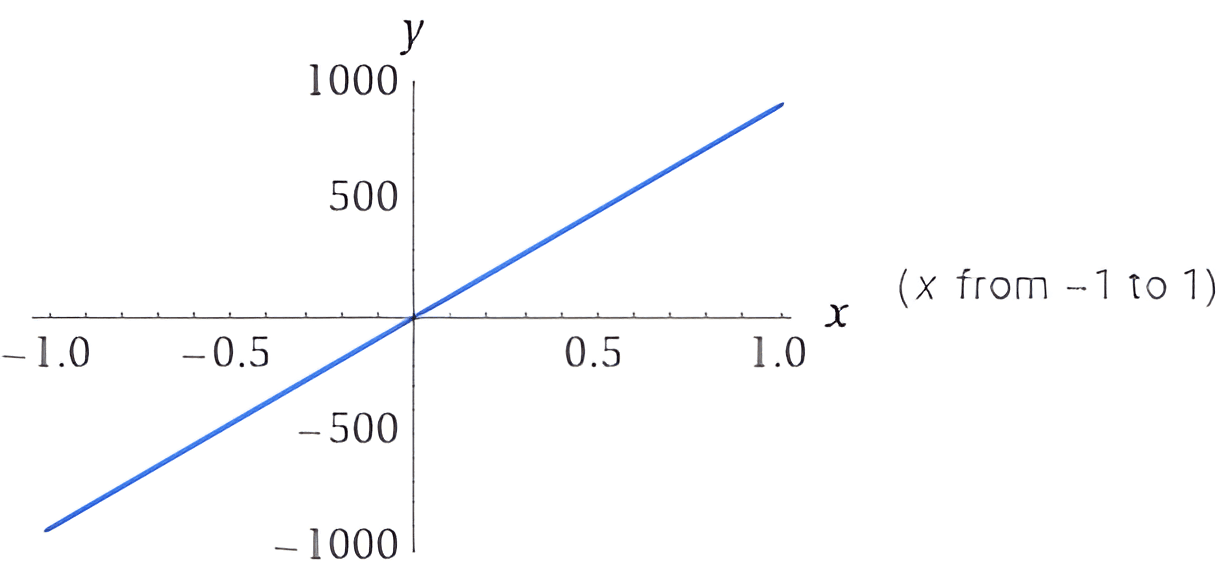
Generated Graph
Solution by Steps
step 1
Calculate the expected rate of return for Designer Lola: 0.2×(−15)+0.5×20+0.3×60=−3+10+18=25
step 2
Calculate the expected rate of return for Designer Hannie: 0.2×20+0.5×40+0.3×30=4+20+9=33
step 3
Calculate the expected rate of return for Designer Putt: 0.2×(−10)+0.5×50+0.3×40=−2+25+12=35
step 4
Calculate the expected rate of return of the portfolio: (5000015000)×25+(5000012000)×33+(5000022000)×35=0.3×25+0.24×33+0.44×35=7.5+7.92+15.4=30.82
step 5
Calculate the portfolio beta: (5000015000)×0.4+(5000012000)×0.5+(5000022000)×0.1=0.3×0.4+0.24×0.5+0.44×0.1=0.12+0.12+0.044=0.284
step 6
Calculate the portfolio's required rate of return using the CAPM formula: k=6%+(14%−6%)×0.284=6%+8%×0.284=6%+2.272%=8.272%
step 7
Compare the expected rate of return of the portfolio (30.82%) with the required rate of return (8.272%) to make an investment decision. Since 30.82% > 8.272%, it is advisable to invest in this portfolio
Answer
The expected rate of return of the portfolio is 30.82%. The portfolio beta is 0.284. The portfolio's required rate of return is 8.272%. Based on these calculations, it is advisable to invest in this portfolio.
Key Concept
Expected Rate of Return and Portfolio Beta
Explanation
The expected rate of return is calculated by weighting the returns of each investment by their probabilities. The portfolio beta measures the portfolio's sensitivity to market movements. The required rate of return is determined using the CAPM formula. If the expected return exceeds the required return, the investment is considered favorable.
© 2023 AskSia.AI all rights reserved