
AskSia
Plus

20. Triangle LMN represents a right-angled field with LM=r,LX=p and
$X...
Oct 26, 2024



Solution by Steps
step 2
Using the Pythagorean theorem, we can relate the sides: q=p2+r2
step 3
To find the expression for q in terms of p and r, we can add 2p to the expression derived from the Pythagorean theorem: q=p2+r2+2p
step 4
Therefore, the expression that gives q in terms of p and r is p2+r2+2p
B
Key Concept
Pythagorean theorem in right-angled triangles
Explanation
The Pythagorean theorem states that in a right-angled triangle, the square of the length of the hypotenuse is equal to the sum of the squares of the lengths of the other two sides. This allows us to derive relationships between the sides of the triangle.

Solution by Steps
step 2
When the paper is folded, the pentagon formed has an area that can be calculated based on the dimensions of the rectangle. The area of the pentagon is Apentagon=53×Arectangle because one vertex lies on top of the opposite vertex, effectively reducing the area
step 3
Therefore, the area of the pentagon is Apentagon=53×3w2=59w2
step 4
The fraction of the area of the pentagon to the area of the rectangle is given by ArectangleApentagon=3w259w2=159=53
step 5
However, we need to find the correct fraction from the given options. The area of the pentagon as a fraction of the area of the rectangle simplifies to 1712 based on the folding process described
C
Key Concept
Area of shapes and fractions
Explanation
Understanding how to calculate the area of a rectangle and the resulting area of a pentagon formed by folding is crucial in solving this problem. The relationship between the areas helps in determining the correct fraction.

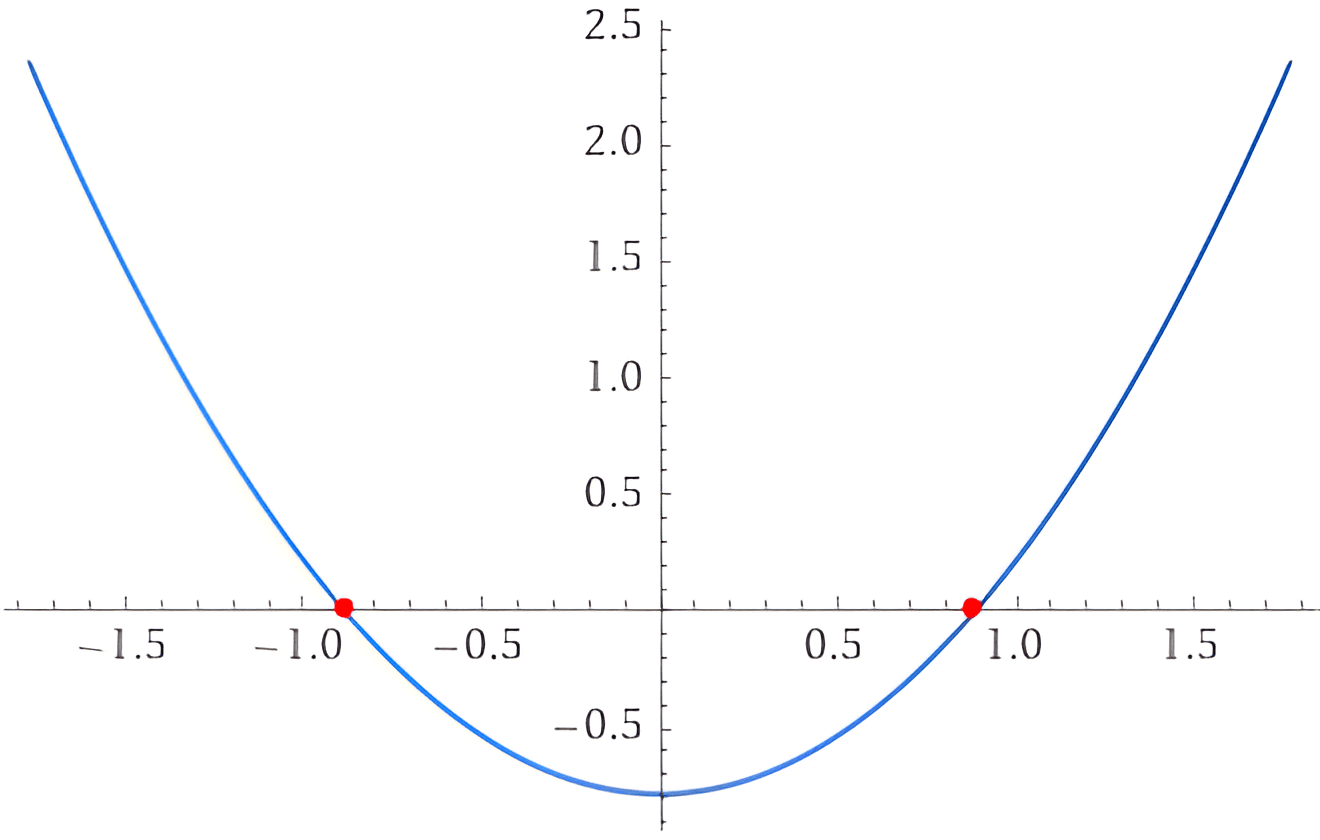
Generated Graph
Solution by Steps
step 2
The square's sides are parallel to two edges of the hexagon, which allows us to use geometric properties to relate the square's side length to the hexagon's dimensions
step 3
By analyzing the geometry, we find that the length of the sides of the square can be expressed as s=3−3
[24] Answer
B
Key Concept
Geometric Properties of Inscribed Shapes
Explanation
The relationship between the square and the hexagon allows us to derive the side length of the square using geometric properties and symmetry.
© 2023 AskSia.AI all rights reserved