
AskSia
Plus

The GI Bill, passed after World War II, primarily aimed to?
A) Deploy troops t...
Dec 18, 2023

The GI Bill, passed after World War II, primarily aimed to?
A) Deploy troops to Vietnam
B) Provide benefits to returning war veterans
C) Increase defense spending
D) Establish compulsory military service

B
Key Concept
The Servicemen's Readjustment Act of 1944, commonly known as the GI Bill, was a landmark piece of legislation that provided a range of benefits for returning World War II veterans (commonly referred to as GIs). (KC-8.1.II.C)
Explanation
The GI Bill aimed to help veterans adjust to civilian life by providing benefits such as low-cost mortgages, low-interest loans to start a business, cash payments of tuition and living expenses to attend university, high school, or vocational education, as well as one year of unemployment compensation. It was intended to prevent a repetition of the Bonus March of 1932 and the subsequent economic downturn which had contributed to the Great Depression.
Related Video

GI Bill Of Rights - Serviceman's Readjustment Act of 1944
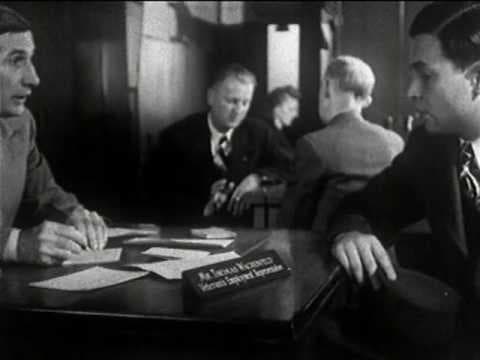
History of the GI Bill

© 2023 AskSia.AI all rights reserved