
AskSia
Plus

Explain the primary goals of the US foreign policy of containment during the Col...
Dec 15, 2023

Explain the primary goals of the US foreign policy of containment during the Cold War era.

Answer
The primary goals of the US foreign policy of containment during the Cold War era were to prevent the spread of communism beyond its existing borders, particularly as enforced by the Soviet Union, and to limit Soviet influence globally. This policy was based on the belief that the Soviet Union was seeking to expand its ideology and control, and that it was necessary to confront this expansion wherever it seemed to be occurring.
Key Concept
The policy of containment was a central element of the United States' strategy in the Cold War, shaping its international relations and military engagements from the late 1940s until the collapse of the Soviet Union in 1991. (KC-8.1.II.C)
Explanation
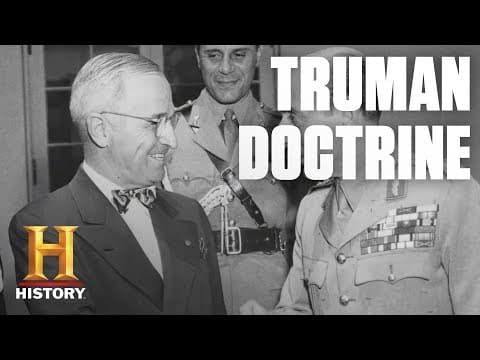
Containment policy led to a variety of strategies including the Truman Doctrine, the Marshall Plan, and the establishment of NATO. It also influenced US involvement in conflicts such as the Korean War and the Vietnam War, as well as numerous other interventions and support for anti-communist regimes around the world.
Related Video

Here's How the Truman Doctrine Established the Cold War | History
The Policy of Containment | The Cold War | A Level History

© 2023 AskSia.AI all rights reserved